

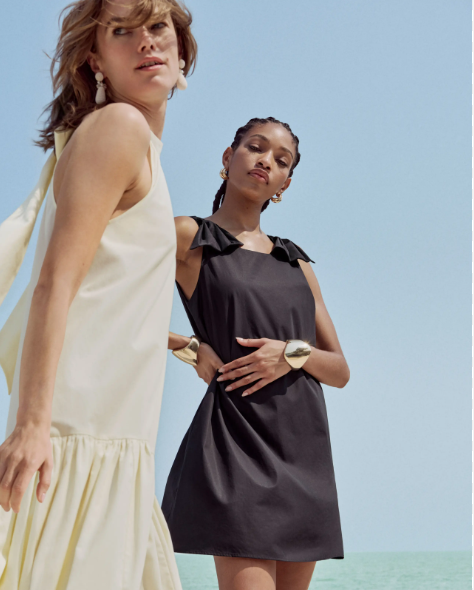
Introduction: Dressing Smart for Rising Temperatures
Summer is a season of sunshine, outdoor activities, and long bright days, but it also brings intense heat that can make dressing a real challenge. The clothes you choose during this season can directly affect your comfort, energy levels, and even skin health. Lightweight, breathable outfits are not just a fashion preference but a necessity when temperatures rise.
Many people often wonder what type of clothes should we wear in summer when the heat becomes unbearable and humidity increases. The answer is simple: clothing that allows airflow, absorbs sweat, and reflects heat instead of trapping it. Choosing wisely can help you stay fresh and comfortable throughout the day, whether you are indoors, outdoors, or traveling.
Summer clothing is more than just style—it is about creating a balance between comfort, protection, and practicality. In this guide, we will explore fabrics, colors, outfit ideas, and lifestyle tips that help you build a perfect summer wardrobe.
Understanding Summer Heat and Clothing Comfort

When temperatures rise, your body naturally tries to cool itself through sweating. If your clothing traps heat or moisture, it can make you feel sticky, tired, and irritated. That is why selecting the right fabric and fit becomes extremely important.
The idea behind what type of clothes should we wear in summer is rooted in thermodynamics and airflow. Clothes that allow air circulation help your body regulate temperature more efficiently, reducing discomfort caused by excessive heat.
Loose-fitting clothes made from natural fabrics are the best choice because they help sweat evaporate quickly instead of sticking to the skin. This keeps your body cool and reduces the chances of heat rash or dehydration-related fatigue.
Why Fabric Choice Matters in Summer Clothing
Fabric is the foundation of comfort during hot weather. Not all materials behave the same when exposed to heat and sweat. Some trap moisture, while others allow ventilation and quick drying.
When thinking about what type of clothes should we wear in summer, fabric selection becomes the most important decision. Natural fibers like cotton and linen are widely preferred because they are breathable and lightweight.
Synthetic fabrics, on the other hand, may look stylish but often restrict airflow and increase body temperature. Choosing the right fabric ensures your skin stays comfortable even during peak summer hours.
Best Fabrics for Hot Weather Comfort
Cotton – Everyday Summer Essential
Cotton is soft, breathable, and highly absorbent. It allows air circulation and keeps your body cool by absorbing sweat effectively. It is ideal for daily wear, especially in hot climates.
Linen – The Ultimate Heat Fighter
Linen is one of the oldest and most breathable fabrics. It dries quickly, feels light on the skin, and allows maximum airflow. It is perfect for both casual and semi-formal summer outfits.
Rayon – Smooth and Lightweight Option
Rayon mimics natural fibers and offers a smooth texture that feels comfortable in hot weather. It is commonly used in summer dresses and casual shirts.
Chambray – Denim Look Without the Heat
Chambray looks like denim but is much lighter and breathable. It is perfect for those who want a stylish look without feeling overheated.
Understanding what type of clothes should we wear in summer starts with understanding these fabric differences and choosing wisely based on comfort needs.
Clothing Design and Fit for Better Airflow
Apart from fabric, the design and fit of clothing play a major role in keeping you cool. Tight clothing restricts airflow and increases sweating, while loose clothing allows ventilation and comfort.
If you are unsure what type of clothes should we wear in summer, always choose relaxed fits that allow your skin to breathe. Flowing dresses, loose shirts, and wide-leg pants are excellent choices.
Clothing should never feel restrictive during summer. The goal is to let air move freely between your body and the fabric.
Light Colors and Their Cooling Effect
Color choice significantly impacts how hot or cool you feel. Dark colors absorb heat, while light colors reflect sunlight.
Best Summer Color Choices
White, beige, pastel blue, soft pink, and light grey are ideal for hot weather. These colors help reflect sunlight and reduce heat absorption.
Wearing lighter shades is a simple yet effective way to stay cool while maintaining a stylish appearance.
Many people searching for what type of clothes should we wear in summer often overlook color, but it is one of the easiest ways to reduce heat discomfort.
Summer Outfit Comparison Table
Below is a simple comparison of fabrics and their suitability for summer wear:
| Fabric Type | Breathability | Sweat Absorption | Comfort Level | Ideal Usage |
|---|---|---|---|---|
| Cotton | High | High | Excellent | Daily wear |
| Linen | Very High | Medium | Excellent | Outdoor wear |
| Polyester | Low | Low | Moderate | Sports only |
| Rayon | Medium | Medium | Good | Casual wear |
| Denim | Low | Low | Poor | Avoid in heat |
This table clearly shows why natural fabrics dominate summer fashion choices.
Office Wear in Summer Heat
Dressing for the office in summer requires balancing professionalism and comfort. You need breathable fabrics that still maintain a formal appearance.
Light cotton shirts, linen blazers, and loose trousers are excellent choices. Neutral shades also help maintain a polished look while keeping you cool.
When considering what type of clothes should we wear in summer, office wear should always prioritize airflow without compromising on appearance.
Casual Summer Outfits for Daily Comfort

Casual wear is where comfort matters most. Simple, lightweight clothing helps you stay relaxed throughout the day.
Men can choose cotton t-shirts with shorts or linen shirts with chinos. Women can opt for flowy dresses, skirts, or sleeveless tops.
Understanding what type of clothes should we wear in summer ensures your casual wardrobe is both stylish and practical.
Travel Clothing Tips for Hot Weather
Traveling during summer requires smart clothing choices. Long journeys, outdoor exposure, and changing environments demand comfort-first outfits.
Loose shirts, breathable pants, sun hats, and light scarves are excellent travel essentials. Comfortable footwear is equally important to avoid fatigue.
Whenever you plan a trip, think about what type of clothes should we wear in summer to ensure your journey remains comfortable and stress-free.
Common Clothing Mistakes in Summer
Many people make small mistakes that increase discomfort during hot weather.
Wearing tight synthetic clothes is one of the most common errors. These fabrics trap heat and prevent sweat evaporation. Another mistake is wearing dark-colored outfits during peak sunlight hours.
Avoiding these mistakes helps improve your overall comfort and makes summer much more manageable.
Skin Protection Through Clothing Choices
Summer clothing also plays an important role in protecting your skin from sun exposure. Loose, full-sleeve cotton shirts can help prevent sunburn while allowing airflow.
Breathable fabrics reduce irritation and help maintain healthy skin during long outdoor exposure.
Accessories That Enhance Summer Comfort
Accessories can significantly improve your comfort level in hot weather.
Sunglasses protect your eyes, hats shield your face from direct sunlight, and breathable footwear keeps your feet cool. Lightweight scarves can also help protect your neck from sunburn.
Sustainable Fashion Choices for Summer
Sustainability is becoming increasingly important in fashion. Natural fabrics like cotton and linen are not only comfortable but also environmentally friendly.
Choosing eco-friendly clothing helps reduce environmental impact while improving personal comfort.
Quick Tips for Better Summer Dressing
- Choose breathable fabrics
- Stick to light colors
- Avoid tight clothing
- Keep outfits simple
- Focus on comfort over trends
These simple habits can completely transform your summer experience.
Frequently Asked Questions (FAQs)
1. What is the most comfortable fabric for summer?
Cotton and linen are the most comfortable fabrics because they allow airflow and absorb sweat effectively.
2. Is it okay to wear dark clothes in summer?
Dark clothes absorb more heat, so they are not ideal for peak summer conditions.
3. Can synthetic clothes be worn in summer?
They can be worn occasionally, but natural fabrics are more comfortable for long durations.
4. What clothes should children wear in summer?
Loose cotton clothes are best for children as they allow airflow and reduce overheating.
5. How can I stay stylish in summer?
Choose simple designs, light colors, and breathable fabrics while keeping accessories minimal.
Conclusion: Building a Comfortable Summer Wardrobe
Summer dressing is all about making smart and practical choices that prioritize comfort without compromising style. Lightweight fabrics, loose fits, and light colors are essential elements of a well-balanced wardrobe.
If you are still unsure what type of clothes should we wear in summer, the answer always comes down to breathable natural fabrics, relaxed fits, and heat-reflecting colors. These choices ensure comfort throughout the day, whether you are at work, traveling, or relaxing at home.
By applying these tips consistently, you can create a wardrobe that keeps you cool, confident, and comfortable throughout the hottest months of the year.
Read More:-Cotton Comfort Secrets for Beating Summer Heat in Smart Way!! Day